Advanced analytics fails on fragmented data. The unglamorous first step is one operational record every system agrees on.
01
The gap between systems
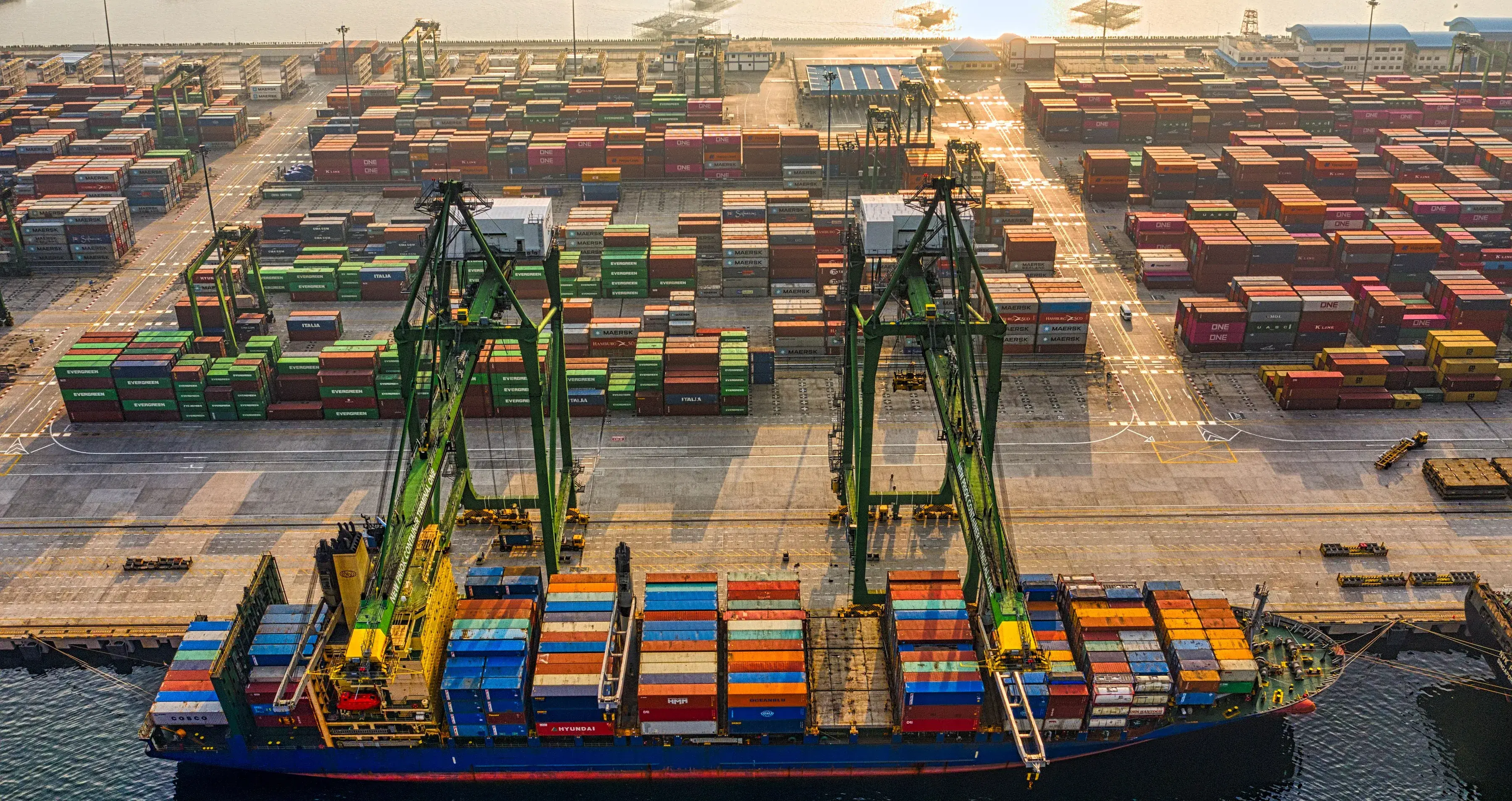
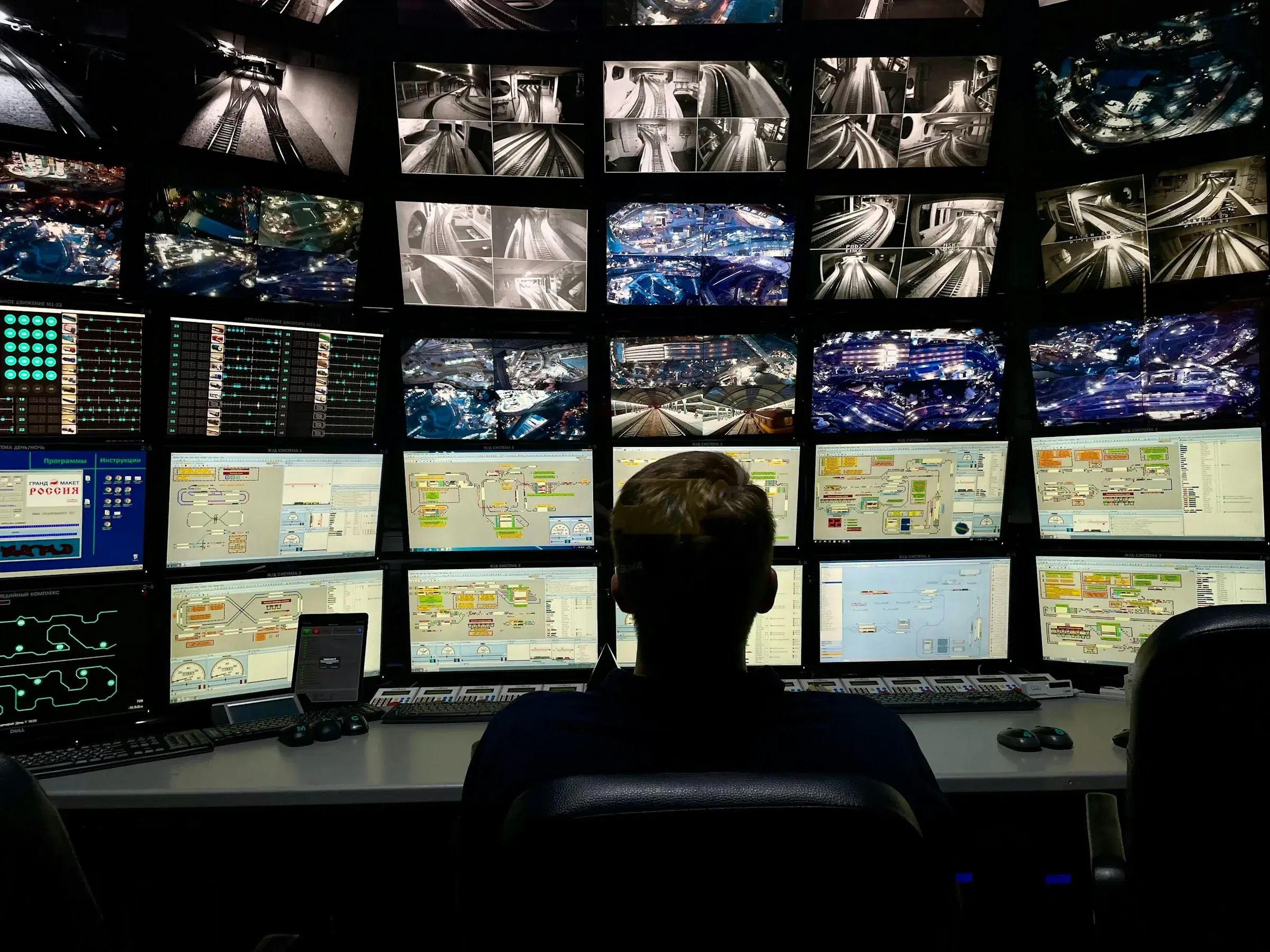
Most terminals already hold the data that analytics promises to use. The trouble is where it lives. Vessel, yard, gate and rail data sit in separate tools, so planners reconcile by phone and spreadsheet, and every report starts with an argument about which number is right.
Put a model on top of that and it learns the disagreements. The output looks precise, but it inherits every gap between the systems underneath it.
Advanced analytics fails on fragmented data.
02
One record every system agrees on
The first step is unglamorous: one operational record that every system reads from and writes to. A move is recorded once, where it happens, and every role sees the same truth at the same moment.
- Vessel, yard, gate and rail planning and execution in one system of record.
- Connections to shipping lines, customs, port community systems, ERP and equipment telemetry.
- Dashboards, alerts and customer portals fed from the same operational data layer.
03
Then the intelligence
With a governed data layer in place, the advanced work becomes practical: optimisation engines tuned to the terminal's constraints, KPI alerts that people trust, and applied AI that reasons over the live picture rather than a reconciled copy of it.
The order matters. A single source of truth is not the exciting part of the project, but it is the part that decides whether everything after it works.